Resources
Essays and guides on
storytelling craft.
The philosophy behind Scribbard, the methods it borrows from,
and how to use them in your own work.

Become the Writer Your Next Story Needs
A finished story changes the writer who finished it. The next book is not the same kind of work as the first, because the writer is not the same. Faster on the planning, slower on the commitment, more ruthless on the cuts.

Revise a Novel That Almost Works
The almost-works draft is the most common failure mode in fiction, and the most diagnosable. It is almost always one layer that's wrong. Find that one and you have found the source.
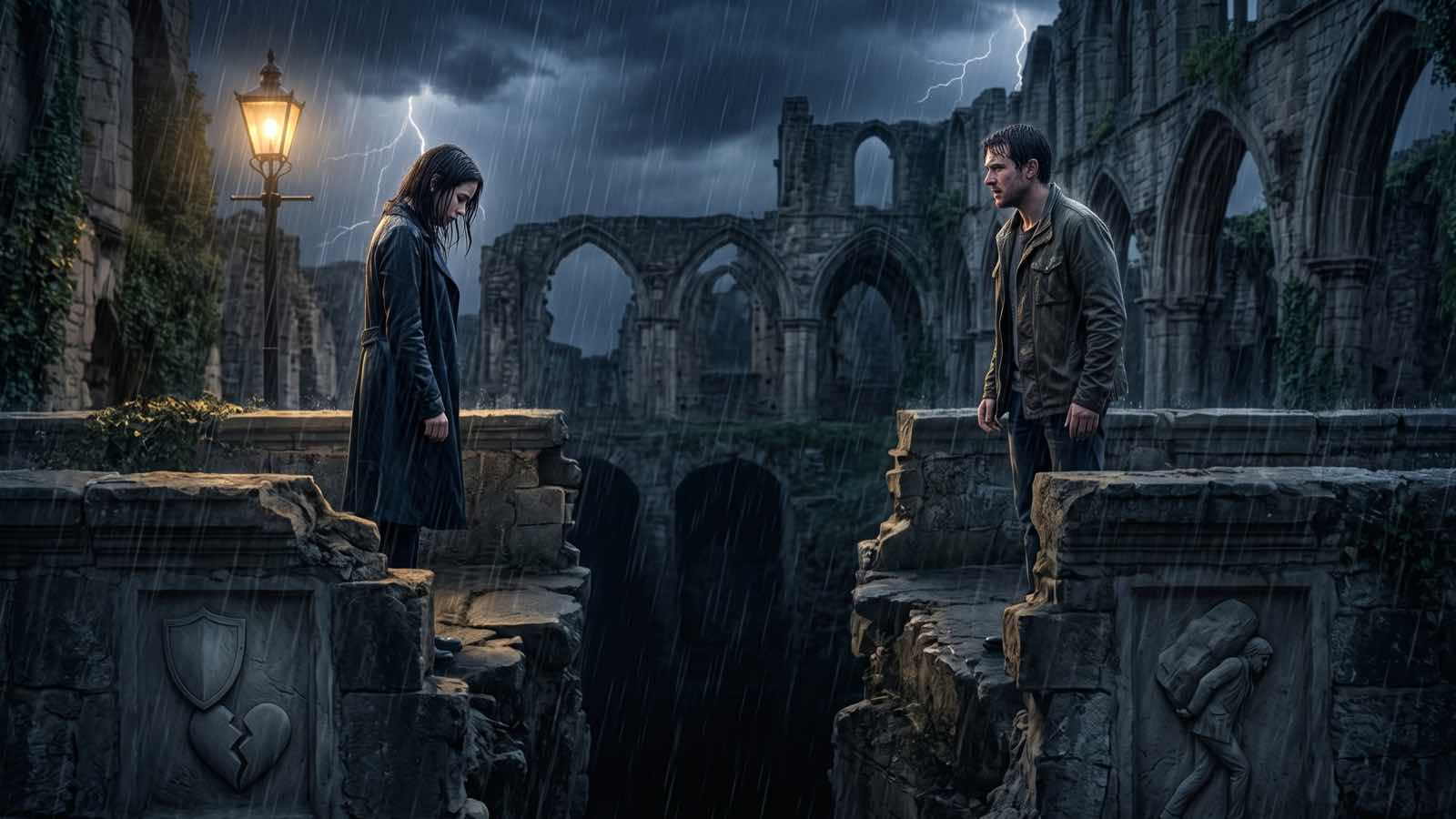
Write a Romance That Earns the Black Moment
A black moment that feels obligatory is one where the moment is in the right place but isn't proving the right thing. The structural beat is not at fault. The thing it is supposed to be testing is.
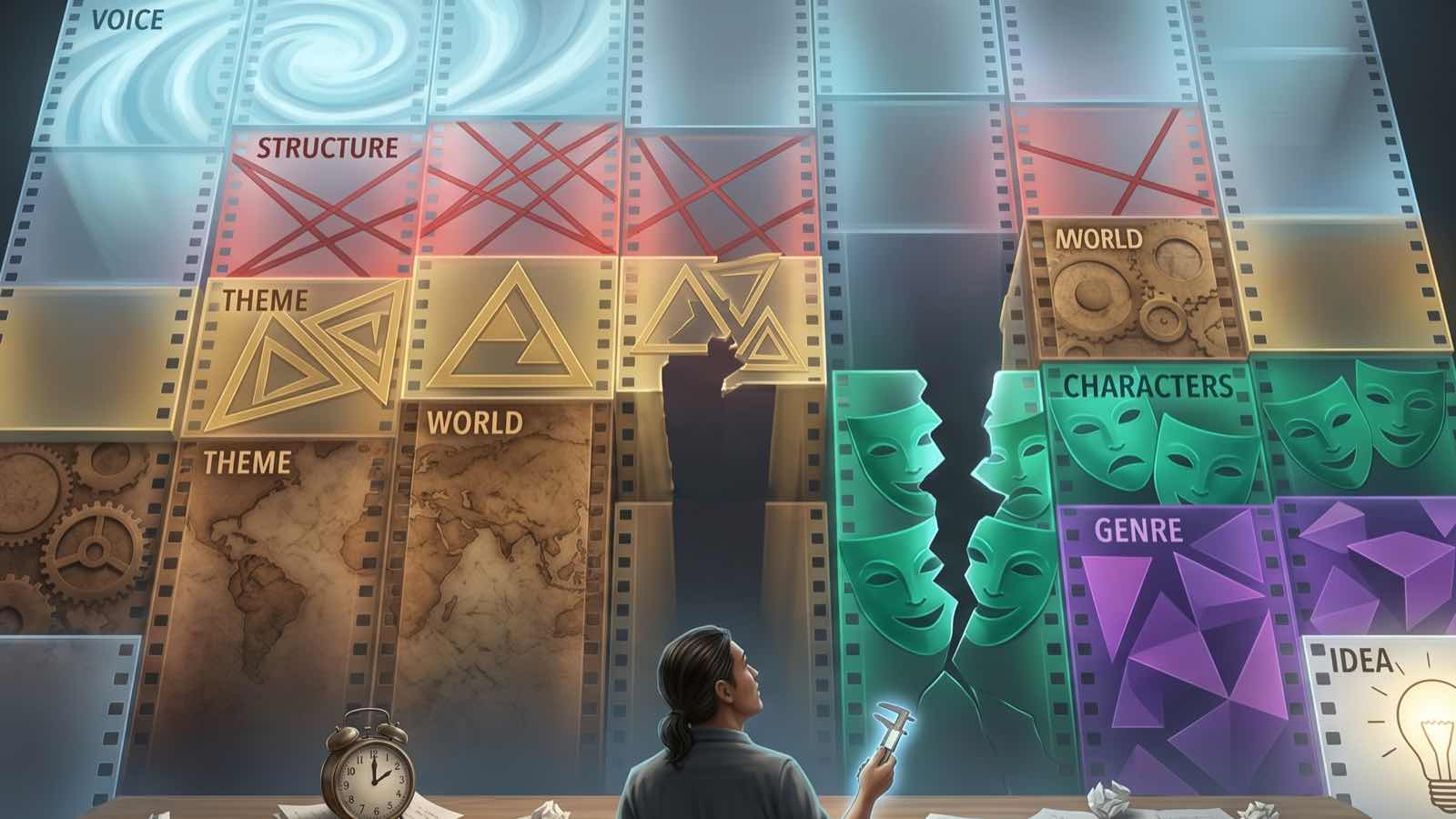
Recover a Stalled Draft
A stalled draft is not a failure of will. It is almost always a structural fault the writer is trying to fix at the prose level. The diagnostic is precise.
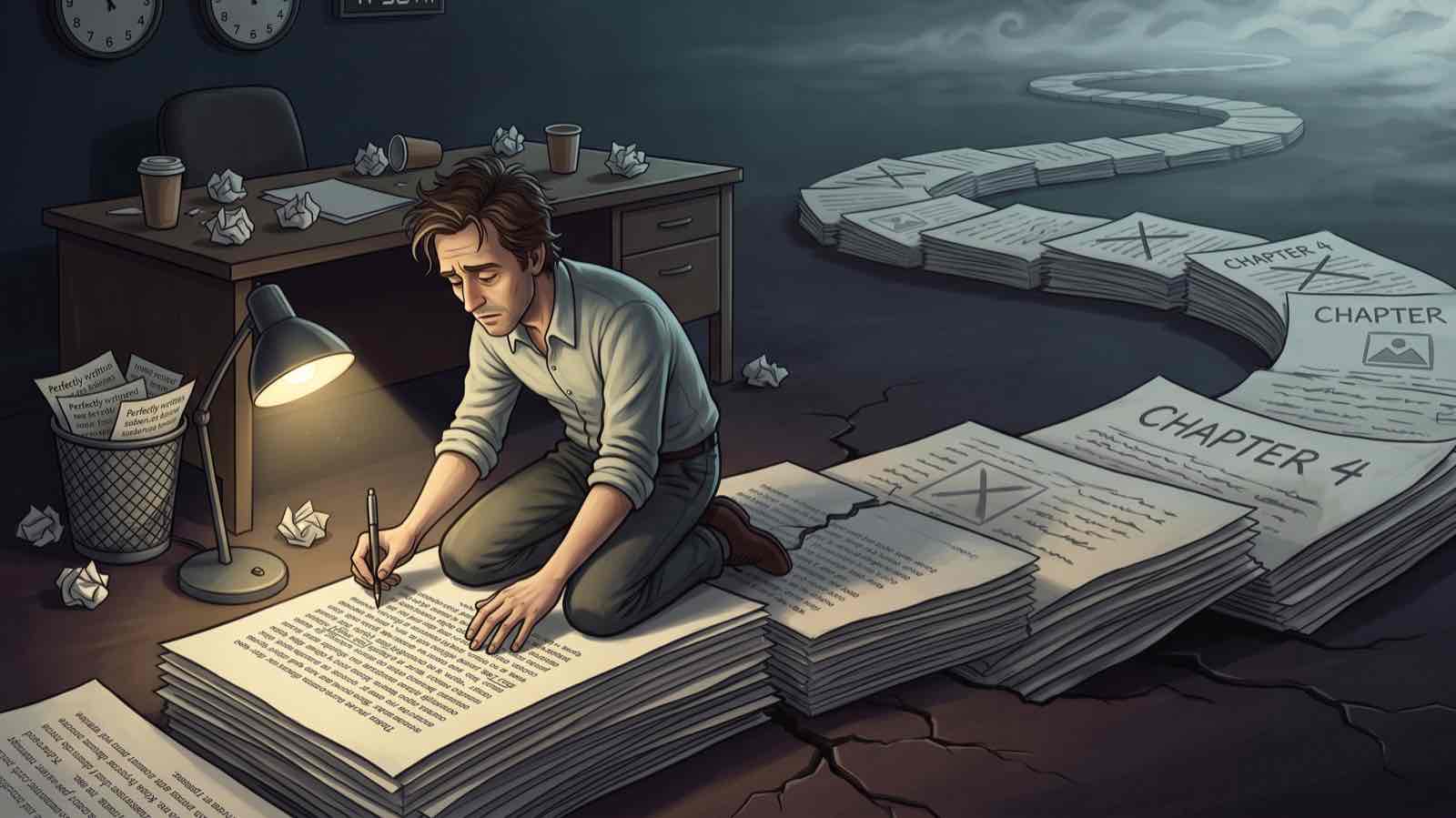
Stop Tweaking Sentences and Move Forward
Line-level revision before structural completion is the writer's most expensive form of procrastination. Every sentence you polish is a sentence you may delete later. There is a hard rule.

Survive the Mid-Draft Fog
here is a specific kind of fog that arrives in the middle of the second act, and it has the texture of a permanent condition. The writers who finished did one specific thing.

Using Chat Effectively in Scribbard
The chat in Scribbard is not a generic LLM. It is a story collaborator with access to your committed layers. The polite-and-unhelpful answers are what happens when the prompt doesn't ask it to use that access.

Use AI Without It Taking Over Your Voice
A chatbot prompted for a novel will produce something that sounds like a chatbot trying to write a novel. The fix isn't to refuse the tool. It's structure and sequencing.
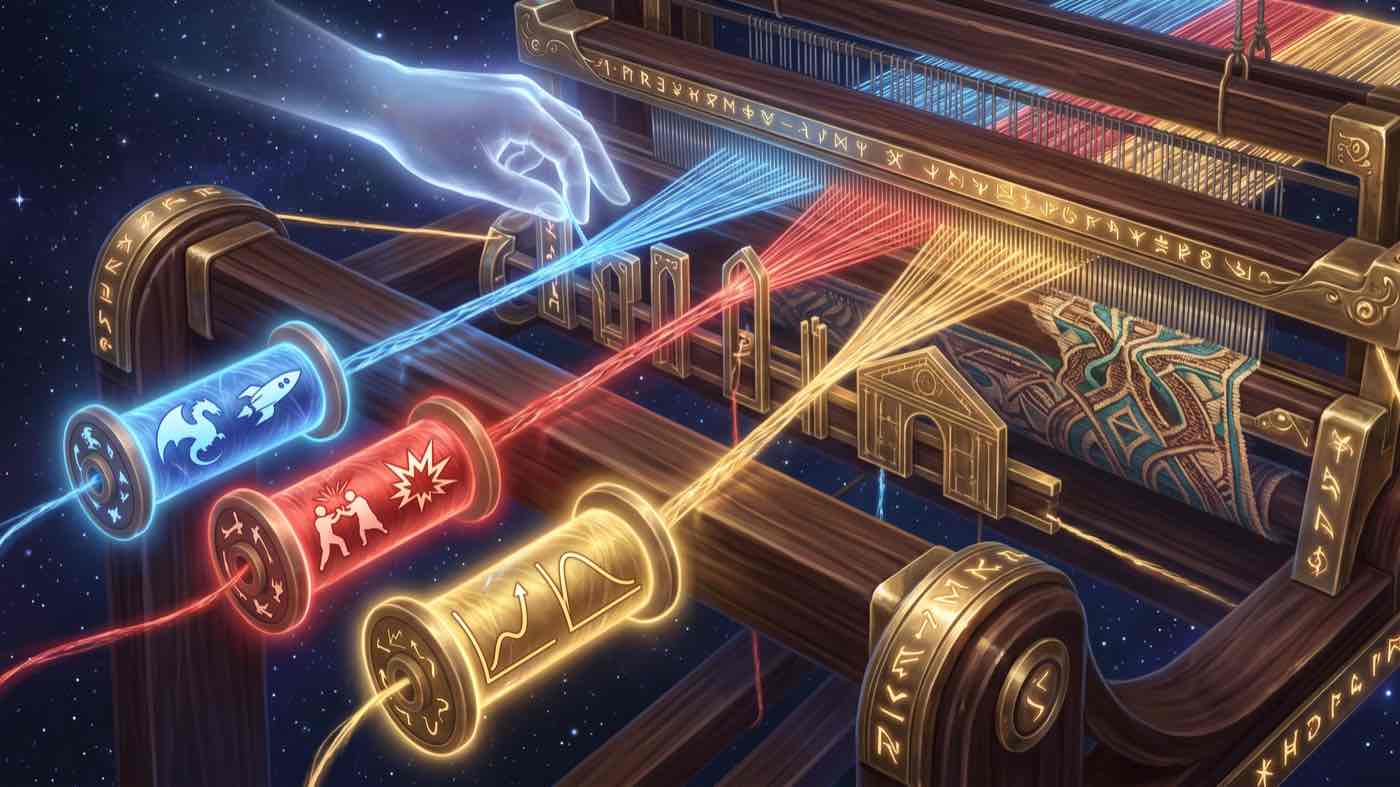
Ten Structural Frameworks
Structural frameworks aren't aesthetic preferences. They are calculated fits to genre obligations, conflict type, and the shape of the value shift the story is making. Three variables. One answer.
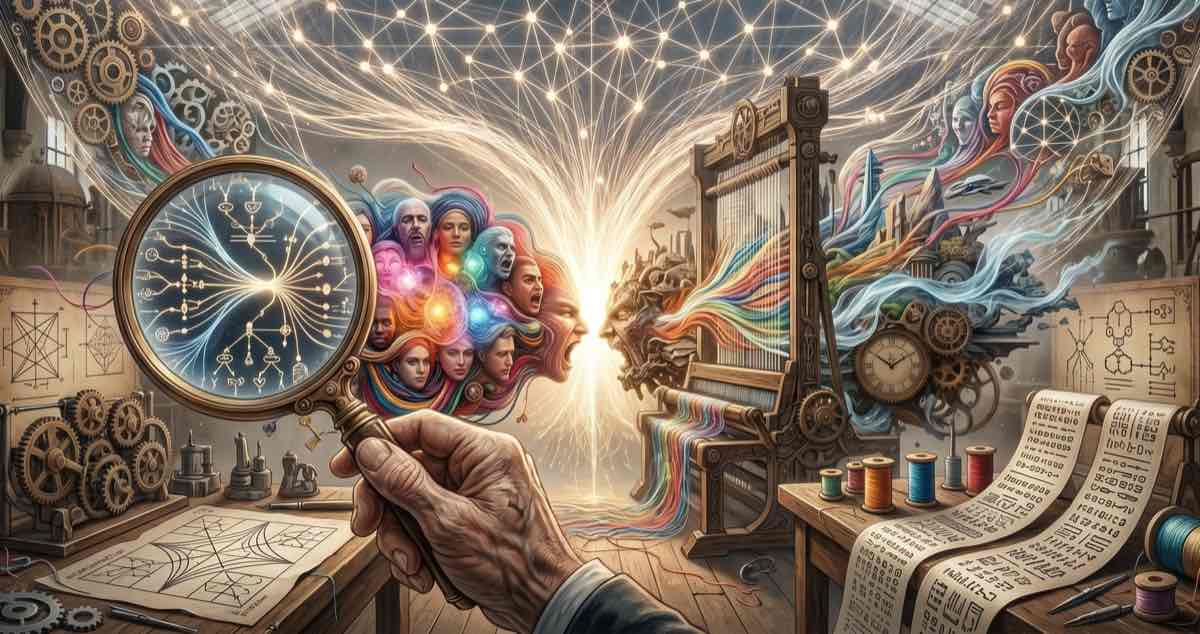
Find Your Story's Argument
Theme is rarely something the writer brings to the story. It is something the story produces when its characters and world collide correctly. Stage the collision. Read off what it generates
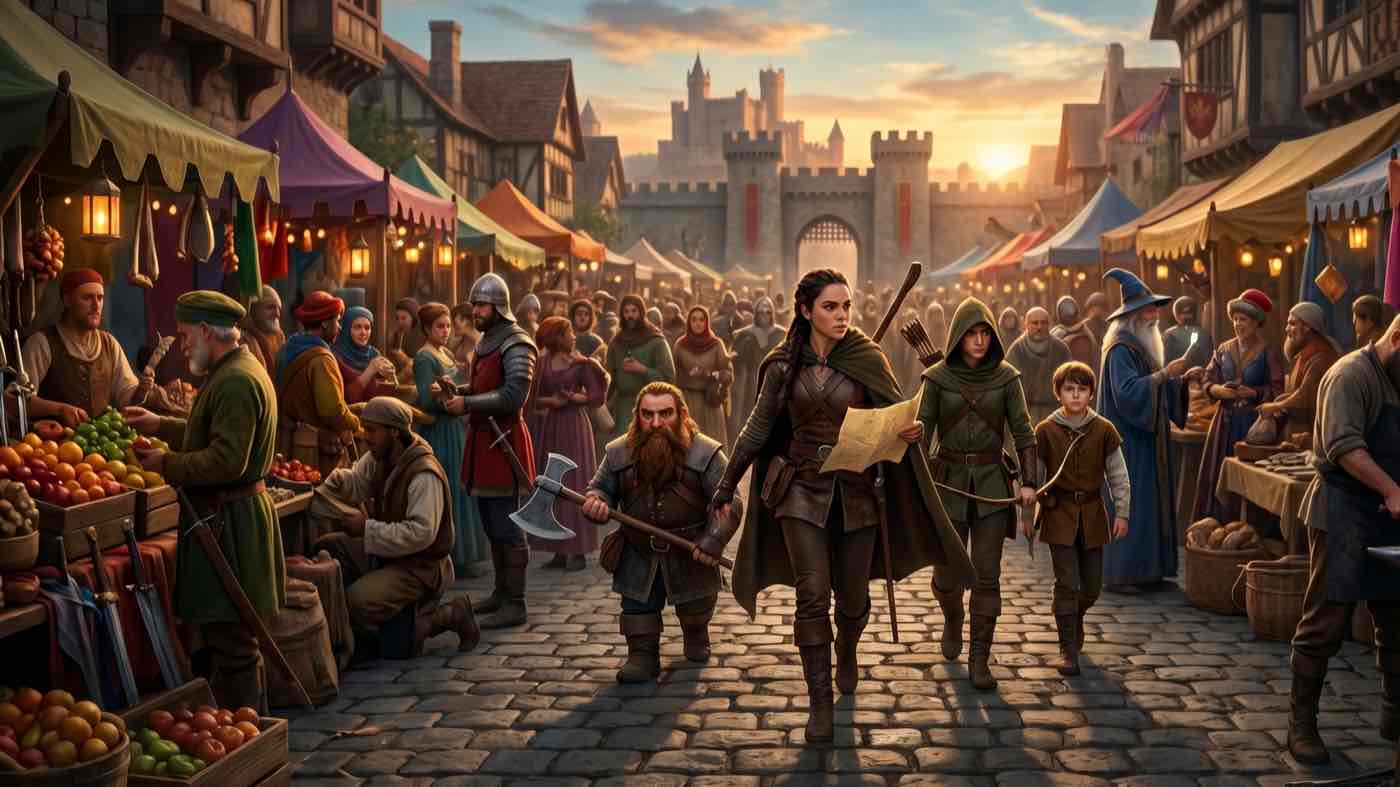
Build a Protagonist Who Drives the Story
Interesting characters are common; protagonists who drive the story are rare. The difference is not personality work — it is architecture.

Write Your First Novel
The first novel is where most writers quit, usually somewhere between "I should plot this properly" and "I should just start and see what happens." Both impulses are right. Both are wrong on their own.